
Welcome to JGM’s BLOG !

The Best Low-Maintenance Landscaping Ideas for Homeowners in Mundelein & Chicago’s Northwest Suburbs
Discover the best low-maintenance landscaping ideas for homes in Mundelein, Northbrook, Highland Park, and surrounding areas. JGM Landscaping provides expert landscape design, hardscaping, mulch installation, lawn care, and drainage solutions.
A beautiful landscape doesn’t have to require hours of maintenance every week. Many homeowners in Mundelein, Northbrook, Wheeling, Buffalo Grove, Arlington Heights, Vernon Hills, and surrounding communities want an attractive outdoor space without constantly mowing, weeding, trimming, and watering. With the right landscape design, you can enjoy a stunning yard that saves both time and money while adding value to your home.
At JGM Landscaping Inc., we help homeowners throughout Chicago’s northwest suburbs create functional, beautiful outdoor spaces designed to thrive in Illinois’ changing seasons. Here are some of the best low-maintenance landscaping ideas that provide long-lasting beauty with minimal upkeep.
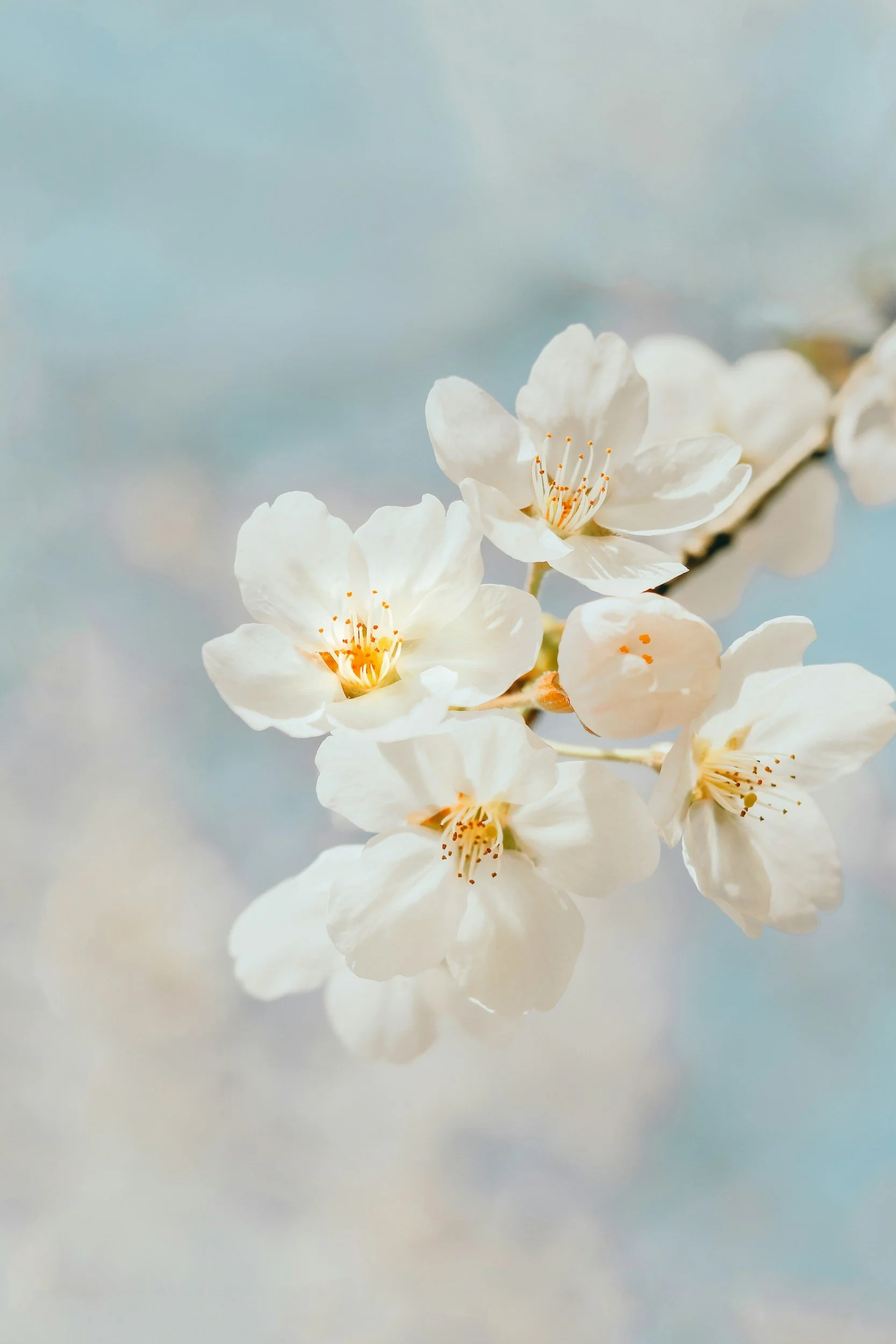
1. Choose Native Plants
Native plants are one of the smartest investments for Illinois landscapes because they’re naturally adapted to our climate and soil conditions. They typically require less watering, fertilizer, and maintenance than non-native varieties.
Some excellent choices include:
● Purple Coneflower
● Black-Eyed Susan
● Little Bluestem Grass
● Prairie Dropseed
● Switchgrass
● Wild Columbine
These plants not only reduce maintenance but also attract butterflies, bees, and other beneficial pollinators that help support a healthy ecosystem.
2. Install Mulch to Reduce Weeds
Fresh mulch is one of the easiest ways to improve the appearance of your landscape while reducing maintenance.
Benefits of professional mulch installation include:
● Suppresses weed growth
● Helps soil retain moisture
● Protects plant roots from temperature changes
● Reduces erosion
● Gives planting beds a clean, finished appearance
Refreshing mulch each spring keeps your landscape healthy while minimizing the amount of time spent pulling weeds throughout the summer.
3. Upgrade to Decorative Stone Beds
In areas where plants struggle or constant maintenance is required, decorative stone can be an excellent alternative.
Stone beds are perfect around:
● Foundation landscaping
● Mailboxes
● Side yards
● Walkways
● Drainage areas
Unlike mulch, decorative stone lasts for years and rarely needs replacement, making it an ideal long-term landscaping solution.
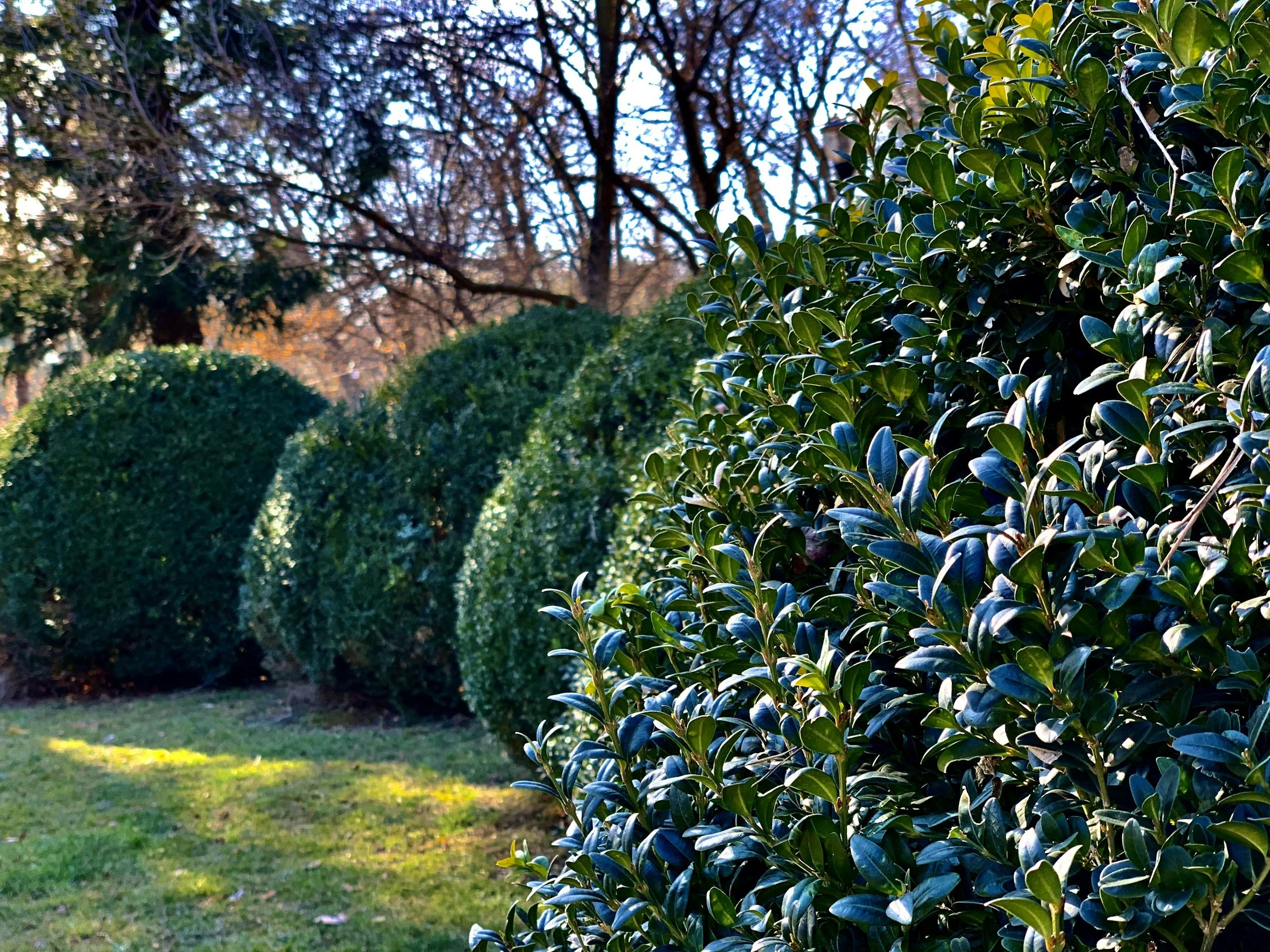
4. Add Easy-Care Shrubs
Not every landscape needs dozens of flowers. Carefully selected shrubs provide year-round beauty while requiring very little maintenance.
Popular options include:
● Boxwood
● Hydrangeas
● Arborvitae
● Spirea
● Juniper
● Yews
These shrubs provide structure, color, and privacy while only requiring occasional pruning.
5. Create Functional Outdoor Living Spaces
Instead of maintaining large sections of grass, many homeowners are investing in hardscaping features that increase both usability and property value.
Popular hardscape additions include:
● Paver patios
● Walkways
● Fire pit areas
● Seating walls
● Outdoor dining spaces
Hardscaping reduces lawn maintenance while creating spaces your family can enjoy throughout the warmer months.
6. Improve Drainage
Standing water creates muddy lawns, unhealthy grass, and landscaping problems that become expensive over time.
Professional drainage solutions may include:
● French drains
● Grading improvements
● Downspout extensions
● Drain tiles
● Dry creek beds
Proper drainage protects your landscape investment and keeps your yard looking its best after heavy Illinois rainstorms.
7. Install Landscape Edging
Landscape edging creates a clean separation between lawns, flower beds, and walkways.
Benefits include:
● Cleaner appearance
● Easier mowing
● Reduced grass spread into beds
● Better mulch retention
● Less trimming
Professional edging instantly gives any landscape a polished appearance while reducing ongoing maintenance.
8. Plant Perennials Instead of Annuals
Annual flowers require replacement every year. Perennials return season after season with minimal effort.
Some beautiful Illinois perennials include:
● Daylilies
● Hostas
● Lavender
● Coneflowers
● Salvia
● Sedum
These plants provide reliable color year after year while reducing seasonal planting costs.
9. Consider Sod for a Healthy Lawn
A thick, healthy lawn naturally prevents weeds and requires less maintenance than struggling grass.
Professional sod installation provides:
● Immediate curb appeal
● Better weed resistance
● Faster establishment
● Improved erosion control
● Uniform appearance
Combined with proper fertilization and mowing practices, sod creates a lawn that’s easier to maintain long term.

10. Work with a Professional Landscaping Company
Every property is unique. A professional landscaping plan ensures your yard is designed specifically for your home’s layout, soil conditions, sunlight, and maintenance preferences.
At JGM Landscaping Inc., we help homeowners design landscapes that balance beauty, functionality, and long-term value. Whether you’re looking for a complete landscape renovation, seasonal cleanup, mulch installation, hardscaping, drainage improvements, or ongoing maintenance, our experienced team is ready to help.
Serving Mundelein & Chicago’s Northwest Suburbs
JGM Landscaping proudly serves homeowners and businesses throughout:
● Mundelein
● Northbrook
● Wheeling
● Buffalo Grove
● Arlington Heights
● Vernon Hills
● Libertyville
● Palatine
● Deerfield
● Long Grove
● Lake Zurich
● Prospect Heights
● Mount Prospect
● Hoffman Estates
● Schaumburg
● And surrounding communities
Ready to Upgrade Your Landscape?
A beautiful yard shouldn’t require constant work. By choosing the right plants, materials, and landscape design, you can enjoy an attractive outdoor space that stays beautiful throughout the year with less maintenance.
If you’re ready to transform your property, contact JGM Landscaping Inc. for professional landscaping, hardscaping, mulch installation, drainage solutions, lawn services, seasonal cleanups, and custom landscape design throughout Mundelein and the surrounding northwest suburbs of Chicago. Our team is committed to delivering quality craftsmanship, reliable service, and landscapes built to last.

How Regular Lawn Aeration Helps Your Grass Grow Thicker and Healthier 🌱
JGM Landscaping lawn aeration services in the Chicagoland area. Image showcasing lawn aeration.

Lawn aeration process showing fresh soil plugs and healthy green grass after aerating a yard in Chicagoland.
If your lawn feels hard, looks dull, or struggles to grow despite watering and fertilizing — it might be time for aeration.
At JGM Landscaping, we help homeowners across the Chicagoland area restore their lawns by giving the roots room to breathe and thrive.
🔥 What Is Lawn Aeration?
Lawn aeration is the process of removing small plugs of soil throughout your yard to loosen compacted ground.
This allows air, water, and nutrients to penetrate deep into the soil — reaching the grass roots where it matters most.
Think of it like opening up the soil so your lawn can finally “breathe” again.
⚠️ Signs Your Lawn Needs Aeration
If you notice any of the following, your soil may be compacted:
• Water pooling or running off instead of soaking in
• Grass that feels spongy or patchy
• Thin or discolored areas
• Soil that feels hard when you push a screwdriver into it
Compacted soil prevents roots from growing properly, making it harder for your grass to stay green and full.
🍀 Benefits of Aerating Your Lawn
Here’s why lawn aeration is one of the most powerful (yet underrated) services you can do for your yard:
• Promotes stronger, deeper root growth
• Improves water absorption and nutrient intake
• Reduces thatch buildup and puddling
• Makes your lawn thicker, greener, and more resistant to heat and drought
• Enhances results from fertilizing and overseeding
After aeration, you’ll see noticeable improvement in color, density, and overall lawn health — usually within just a few weeks.
📅 Best Time for Aeration in Illinois
The best seasons for lawn aeration in the Northwest Suburbs of Chicago are early spring (April–May) and early fall (September–October) and even November.
These are the times when grass is actively growing, allowing the roots to recover quickly and fill in gaps.
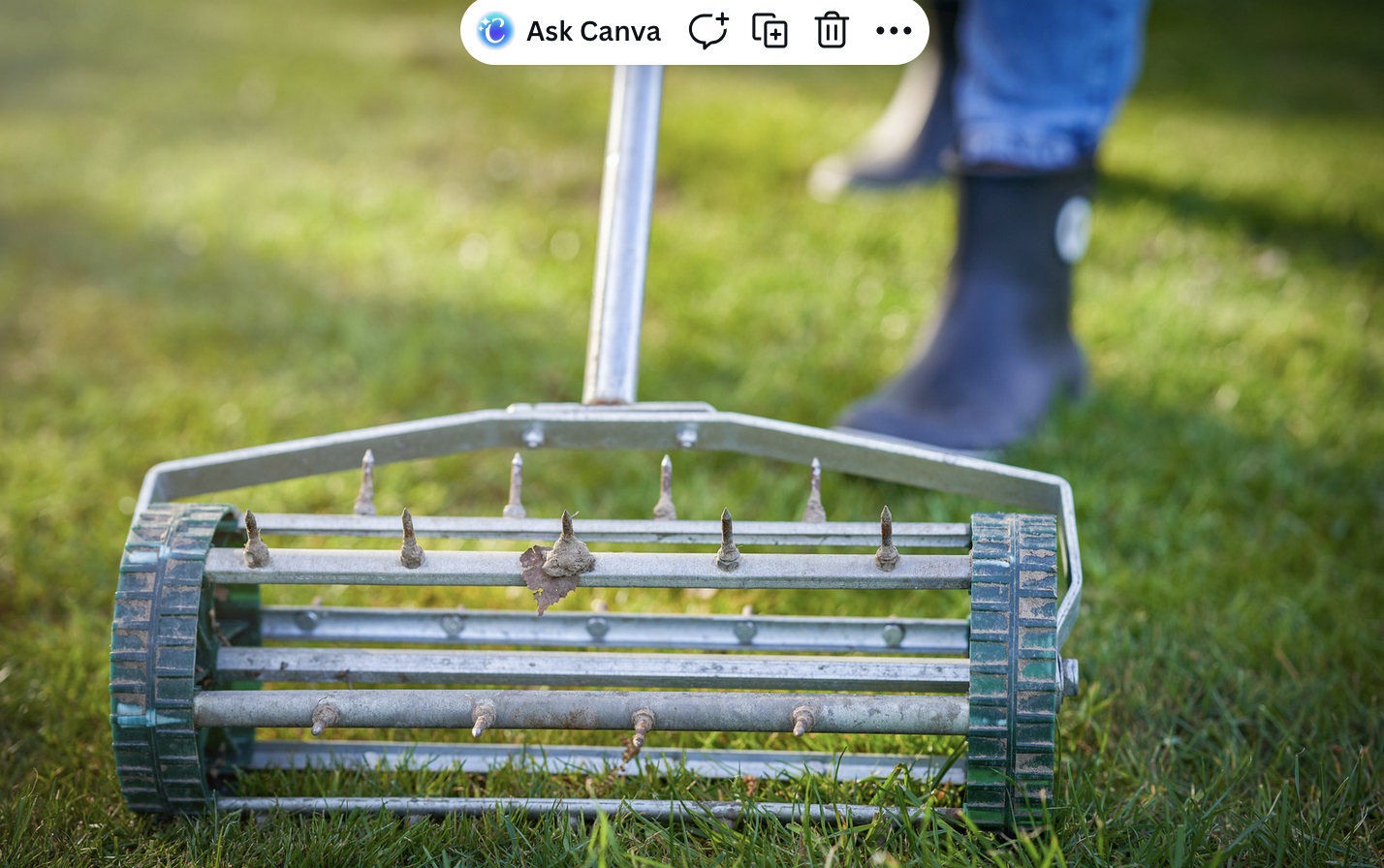
Lawn aeration machine creating small holes in a residential yard to improve grass growth in the Chicagoland area.
💬 Schedule Your Aeration Service with JGM Landscaping
A healthy lawn starts below the surface.
Our team at JGM Landscaping uses professional-grade aeration equipment designed for Chicagoland’s compact clay soil — helping your grass grow thicker, stronger, and greener all season long.
📞 Call or text JGM Landscaping today to schedule your aeration service and bring your lawn back to life!

How to Protect Your Lawn & Pavers from Snow Plow Damage ❄️
By JGM Landscaping & Design— Serving Chicagoland & the Northwest Suburbs
When winter hits in Illinois, snow plowing becomes essential — but it can also leave your yard and driveway looking rough by spring. Scraped pavers, torn-up grass edges, and hidden damage under the snow are common problems. Here’s how to protect your lawn and hardscaping from snow plow damage this season.

Reflective driveway markers placed along a brick paver driveway extension and lawn edge to prevent snow plow damage during winter in Illinois.
🌿 1. Mark Your Driveway and Lawn Edges
Before the first snowfall, install sturdy driveway markers or reflective stakes along the edges of your driveway, walkways, and lawn.
These help snow plow drivers see boundaries clearly — preventing them from pushing heavy snow over your grass or into your landscaping beds.
➡️ Tip: Use tall, flexible markers that won’t snap in the cold.

Orange snow plow clearing snow with a rubber-edge blade to protect brick and stone paver driveways from scratching during winter.
🧱 2. Avoid Metal-Bladed Plows on Pavers
If you have a brick or stone driveway, make sure your snow removal provider uses a rubber or polyurethane blade edge instead of metal.
Metal blades can scratch or chip your pavers, especially when temperatures drop below freezing. JGM Landscaping’s team always uses equipment that’s safe for hardscaping surfaces.
🌧️ 3. Don’t Pile Snow on the Lawn
It’s tempting to push snow off to the side, but piling it high on grass can cause compaction and mold once it melts.
Instead, try to spread snow evenly or direct it to low-traffic corners of your property. This prevents patches of dead or yellow grass in the spring.

Close-up of brick paver driveway with white salt residue showing winter de-icing damage on hardscape surfaces.
⛔ 4. Skip Salt on Decorative Pavers
Traditional rock salt can damage both plants and hardscapes. For safer de-icing, switch to calcium magnesium acetate or sand — they’re gentler on stone and less harmful to your soil.
If your driveway is sealed, this also helps preserve the color and finish of your pavers.
🧰 5. Hire Professionals Who Know Lawn Protection
Not all snow removal crews take landscaping into account. JGM Landscaping offers services that protect your property year-round — using proper plowing angles, safe equipment, and careful attention to your lawn and hardscape layout.
⛅ Final Thoughts
Protecting your lawn and pavers during winter isn’t about avoiding damage— it’s about saving time and money when spring arrives. With the right tools, materials, and professional help, you can enjoy a clean, damage-free property all season long.
📍 JGM Serving Areas
Wheeling - Northbrook - Palatine - Buffalo Grove - Arlington Heights - Mundelein - Evanston - and surrounding Chicagoland suburbs