
Welcome to JGM’s BLOG !
How to Prepare Your Yard for Winter: Essential Landscaping Tips for Chicago Suburban Homeowners
As November brings colder temperatures, falling leaves, and the possibility of early snowfall, homeowners throughout the Chicago suburbs should start preparing their outdoor spaces for winter. Proper seasonal landscaping not only keeps your property looking clean and well-maintained but also helps protect your lawn, plants, and landscaping features from harsh winter conditions.
At JGM Landscaping Inc., we understand how challenging Illinois winters can be. Taking a few preventative steps before freezing temperatures arrive can make a significant difference in how your landscape looks when spring returns.
Here are some essential winter landscaping preparation tips to help protect your property.
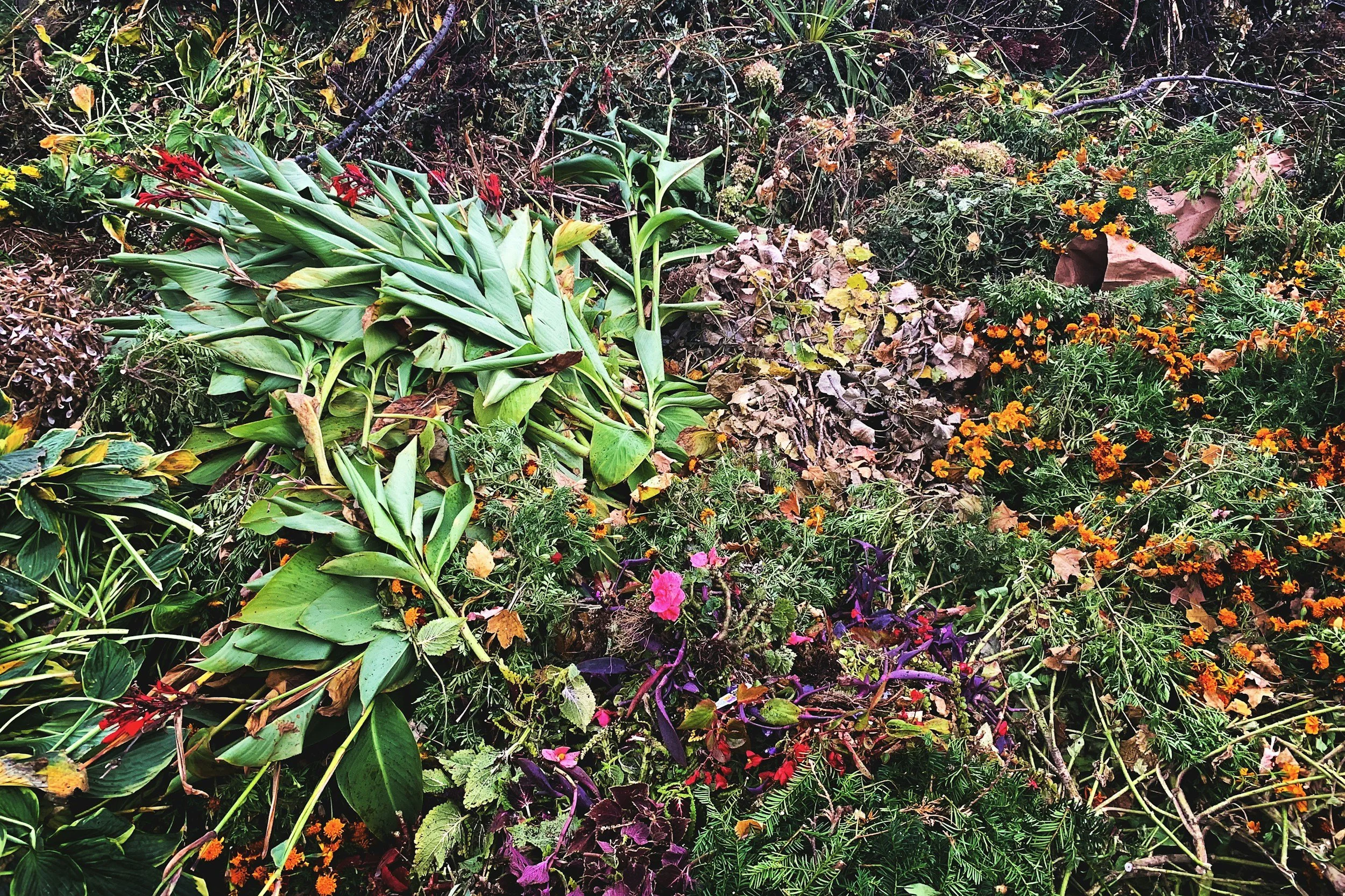
1. Schedule a Final Fall Yard Cleanup
One of the most important steps in preparing your landscape for winter is completing a thorough fall cleanup.
As trees shed their remaining leaves, debris can quickly accumulate across lawns, garden beds, and walkways. Allowing thick layers of leaves to remain on your grass throughout winter can trap moisture, reduce airflow, and create conditions that encourage lawn diseases.
A professional fall cleanup typically includes:
Removing fallen leaves and branches
Clearing debris from lawns and landscaped areas
Cleaning flower beds and garden borders
Removing dead seasonal plants
Preparing outdoor spaces for freezing temperatures
For homeowners in Wheeling, Arlington Heights, Buffalo Grove, and surrounding Chicago suburbs, completing fall cleanup before heavy snowfall can help prevent unnecessary landscape damage.
2. Protect Your Lawn Before the First Snowfall
Your lawn may appear to stop growing during late fall, but its root system continues preparing for winter dormancy.
Keeping your grass healthy before temperatures drop can help encourage stronger growth once spring arrives.
Consider these important lawn care practices:
Final mowing: Give your lawn one last cut before winter, avoiding extremely short grass that may leave roots vulnerable.
Leaf removal: Keep thick leaf piles from covering your lawn for extended periods.
Avoid heavy traffic: Frozen or dormant grass can be more vulnerable to damage from repeated foot traffic.
Seasonal fertilization: Depending on your grass type and soil conditions, a properly timed late-fall fertilizer application may help support healthy roots.
Professional lawn maintenance during the fall can help reduce winter stress and support a healthier landscape next season.
3. Prepare Trees, Shrubs, and Garden Beds
Illinois winters can be especially challenging for ornamental plants, shrubs, and young trees.
Freezing temperatures, strong winds, and heavy snow can cause damage to branches and sensitive vegetation.
Before winter arrives, homeowners should inspect their landscaping for weak branches, overgrown plants, and areas requiring additional protection.
Adding mulch around trees and garden beds can help insulate soil and reduce sudden temperature fluctuations. However, mulch should not be piled directly against tree trunks or plant stems.
Some shrubs may also benefit from protective coverings in areas exposed to strong winter winds.
Avoid excessive pruning during late fall, as certain plants are better trimmed during other seasons.
Proper plant care helps preserve your landscaping investment and encourages healthier growth in spring.
4. Inspect Patios, Walkways, and Hardscaping
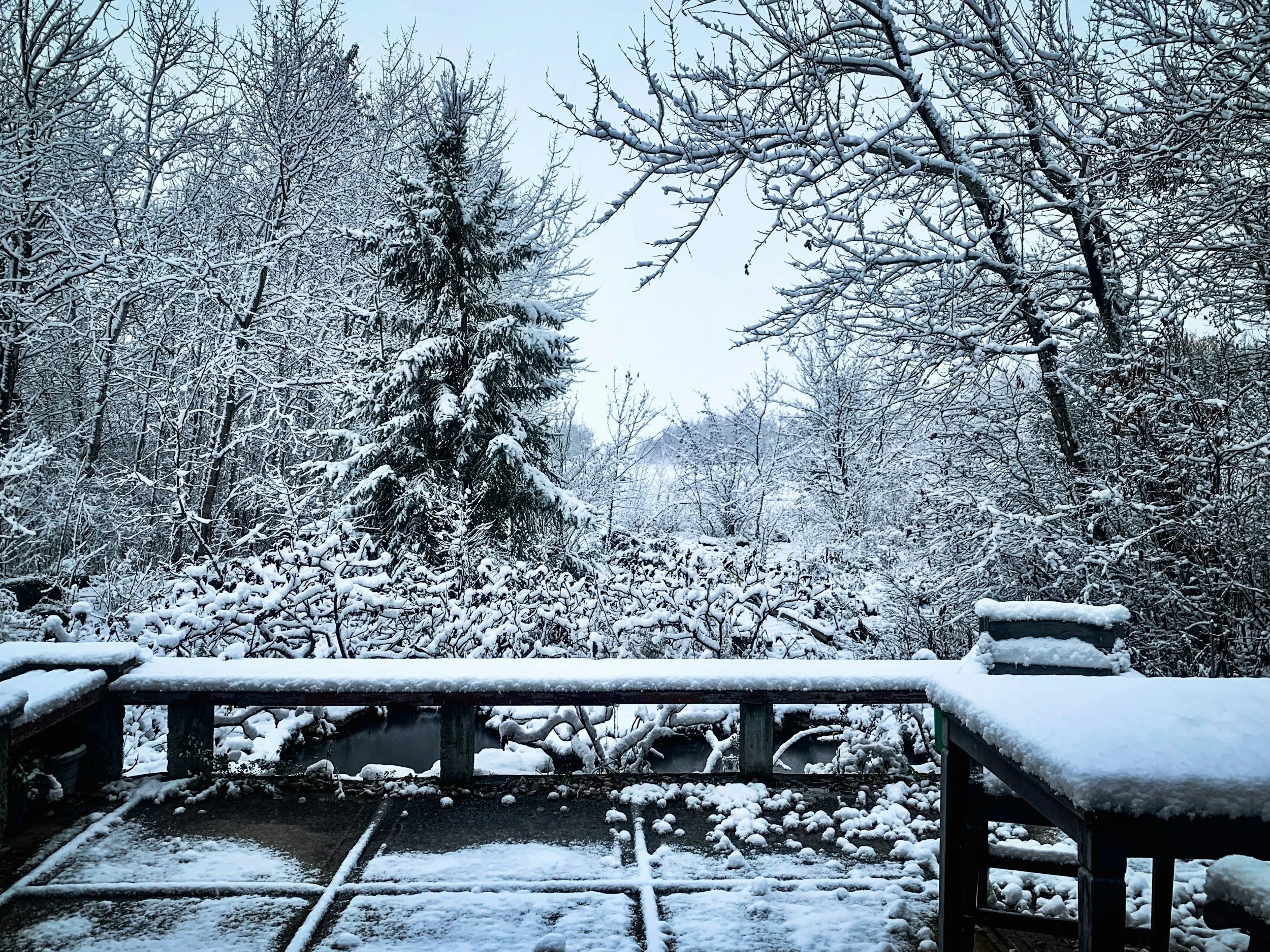
Winter preparation involves more than lawn care. Your patios, retaining walls, walkways, and other hardscaping features also deserve attention.
Water can enter existing cracks and expand when it freezes, potentially making minor damage worse over time.
Before freezing weather settles in, inspect outdoor surfaces for:
Cracked or uneven pavers
Loose retaining wall blocks
Drainage problems near patios
Debris buildup around walkways
Areas where water regularly collects
Addressing these issues early can help reduce the risk of additional damage during winter’s freeze-thaw cycles.
Keeping outdoor surfaces clean and properly maintained also helps improve accessibility around your property.
5. Plan Ahead for Snow and Ice
Snow and ice are unavoidable parts of winter in the Chicago suburbs, making early preparation especially important.
Homeowners should identify areas requiring regular snow removal, including driveways, sidewalks, entrances, and frequently used walkways.
It’s also helpful to remove outdoor obstacles, secure landscaping decorations, and mark vulnerable lawn edges before snow covers them.
When using deicing products, choose options appropriate for your surfaces and nearby vegetation. Excessive road salt can damage grass, plants, and certain hardscaping materials.
Planning ahead helps keep your property more manageable throughout the winter season.
6. Start Planning Your Spring Landscaping Projects
Although winter is approaching, November is also an excellent time to think about next year’s outdoor improvements.
Whether you’re considering new garden beds, landscape redesign, patio upgrades, or routine lawn maintenance, planning early allows you to explore options before the busy spring season.
Take note of areas that struggled during summer, drainage concerns, and landscaping features you would like to improve.
Preparing now can make spring landscaping projects easier to organize.
Get Your Property Winter-Ready With JGM Landscaping Inc.
A well-maintained landscape starts with proper seasonal care. From removing fallen leaves to protecting your lawn and outdoor features, preparing your property before winter can help prevent avoidable damage and support a healthier yard.
JGM Landscaping Inc. proudly serves homeowners throughout Wheeling, Arlington Heights, Buffalo Grove, and surrounding Chicago suburbs with professional landscaping and property maintenance services.
Don’t wait until the first major snowfall to prepare your outdoor space.
Contact JGM Landscaping Inc. today to discuss your seasonal landscaping needs and get your property ready for the colder months ahead!

Spring Landscaping Checklist for Chicagoland Homes
Prepare your yard for the spring season with this spring landscaping checklist for Chicago homeowners. Learn lawn care, mulch, cleanup, and irrigation tips from JGM Landscaping Inc.
Spring is the perfect time for homeowners in the Chicago suburbs to refresh their outdoor spaces and prepare their landscapes for the warmer months ahead. After a long Illinois winter, yards often need attention to recover from snow, freezing temperatures, and heavy winds. A proper spring landscaping routine helps keep your lawn healthy, improves curb appeal, and prevents costly problems later in the season.
If you live in areas like Northbrook, Palatine, Schaumburg, Mundelein, or nearby communities, following a spring landscaping checklist can help ensure your yard stays beautiful and functional throughout the year.

Professional spring yard cleanup removing branches and old debris for homeowners in Northbrook and nearby Chicago suburbs by JGM Landscaping Inc.
1. Start with a Full Yard Cleanup
Winter can leave behind fallen branches, dead plants, and debris across your lawn and garden beds. The first step in spring landscaping is clearing away anything that accumulated during the colder months. Remove leaves, broken branches, and leftover debris from flower beds and lawn areas. This not only improves the appearance of your yard but also helps prevent mold, pests, and plant diseases from developing. A professional landscaping company like JGM Landscaping can also haul away large debris and ensure your yard is fully cleared so your lawn can grow properly as temperatures rise.
2. Inspect Your Lawn for Winter Damage
Illinois winters can be harsh on grass. Snow buildup, salt exposure, and frozen soil can create patchy or damaged areas in your lawn.
Take time to inspect your yard for:
• Dead or thinning grass
• Soil compaction
• Uneven areas
• Standing water or drainage problems
If you notice bare spots, spring is the ideal time to consider overseeding or sod installation. Healthy grass growth early in the season helps your lawn stay strong throughout the summer heat.

Fresh mulch being applied to flower beds as part of spring landscaping maintenance for homes in the Chicagoland area.
3. Refresh Mulch in Flower Beds
Mulch plays an important role in maintaining healthy landscaping. Over time, mulch breaks down or becomes displaced due to weather conditions.
Adding a fresh layer of mulch in spring provides several benefits:
• Helps retain moisture in the soil
• Prevents weed growth
• Regulates soil temperature
• Enhances the appearance of garden beds
Many homeowners in the Chicago suburbs choose dark hardwood mulch because it provides a clean and polished look that complements most landscape designs.
4. Trim Trees and Shrubs
Spring is an excellent time to trim back trees, shrubs, and hedges that may have grown unevenly or been damaged during winter.
Pruning helps:
• Promote healthy plant growth
• Remove dead or weak branches
• Improve the overall shape of plants
• Prevent branches from interfering with walkways or structures
Proper trimming also allows sunlight and air circulation to reach plants, which improves overall landscape health.

Lawn irrigation sprinkler head used for landscape watering systems.
5. Check Irrigation and Drainage Systems
Before the weather gets warmer, it’s important to ensure your irrigation system is functioning properly.
Inspect sprinklers and irrigation lines for:
• Leaks
• Broken sprinkler heads
• Uneven watering coverage
Spring is also a good time to address drainage issues that may have developed during winter. Poor drainage can cause standing water that damages grass and plant roots. Professional landscapers can adjust irrigation systems and recommend drainage solutions if needed.
6. Prepare Garden Beds and Plant New Flowers
Spring is the perfect season to refresh your garden beds with new plants and flowers.
Many homeowners choose colorful seasonal plants to add visual interest to their landscaping. Popular spring plants in Illinois include:
• Tulips
• Daffodils
• Pansies
• Decorative grasses
Adding new plants not only improves the look of your yard but also increases property value and creates a welcoming outdoor environment.
7. Schedule Professional Landscaping Maintenance
While some homeowners handle basic yard work themselves, professional landscaping services can save time and ensure your yard receives the care it needs.
Professional landscapers can assist with:
• Lawn mowing and edging
• Mulch installation
• Plant trimming
• Lawn treatments and fertilization
• Hardscape maintenance
Regular landscaping maintenance helps keep your property looking its best while protecting your investment in your outdoor space.
Final Thoughts
Spring is one of the most important seasons for landscaping maintenance in the Chicago area. Taking time to clean up winter debris, repair lawn damage, refresh mulch, and prepare garden beds helps your yard thrive throughout the warmer months. If you’re located in Glenview, Highland Park, Wheeling, Buffalo Grove, or nearby Chicago suburbs, professional landscaping services can help transform your outdoor space and keep it looking beautiful all season long.
With the right spring preparation, your lawn and landscape can become the perfect place to relax, entertain, and enjoy the outdoors.

How to Protect Your Lawn & Pavers from Snow Plow Damage ❄️
By JGM Landscaping & Design— Serving Chicagoland & the Northwest Suburbs
When winter hits in Illinois, snow plowing becomes essential — but it can also leave your yard and driveway looking rough by spring. Scraped pavers, torn-up grass edges, and hidden damage under the snow are common problems. Here’s how to protect your lawn and hardscaping from snow plow damage this season.

Reflective driveway markers placed along a brick paver driveway extension and lawn edge to prevent snow plow damage during winter in Illinois.
🌿 1. Mark Your Driveway and Lawn Edges
Before the first snowfall, install sturdy driveway markers or reflective stakes along the edges of your driveway, walkways, and lawn.
These help snow plow drivers see boundaries clearly — preventing them from pushing heavy snow over your grass or into your landscaping beds.
➡️ Tip: Use tall, flexible markers that won’t snap in the cold.

Orange snow plow clearing snow with a rubber-edge blade to protect brick and stone paver driveways from scratching during winter.
🧱 2. Avoid Metal-Bladed Plows on Pavers
If you have a brick or stone driveway, make sure your snow removal provider uses a rubber or polyurethane blade edge instead of metal.
Metal blades can scratch or chip your pavers, especially when temperatures drop below freezing. JGM Landscaping’s team always uses equipment that’s safe for hardscaping surfaces.
🌧️ 3. Don’t Pile Snow on the Lawn
It’s tempting to push snow off to the side, but piling it high on grass can cause compaction and mold once it melts.
Instead, try to spread snow evenly or direct it to low-traffic corners of your property. This prevents patches of dead or yellow grass in the spring.
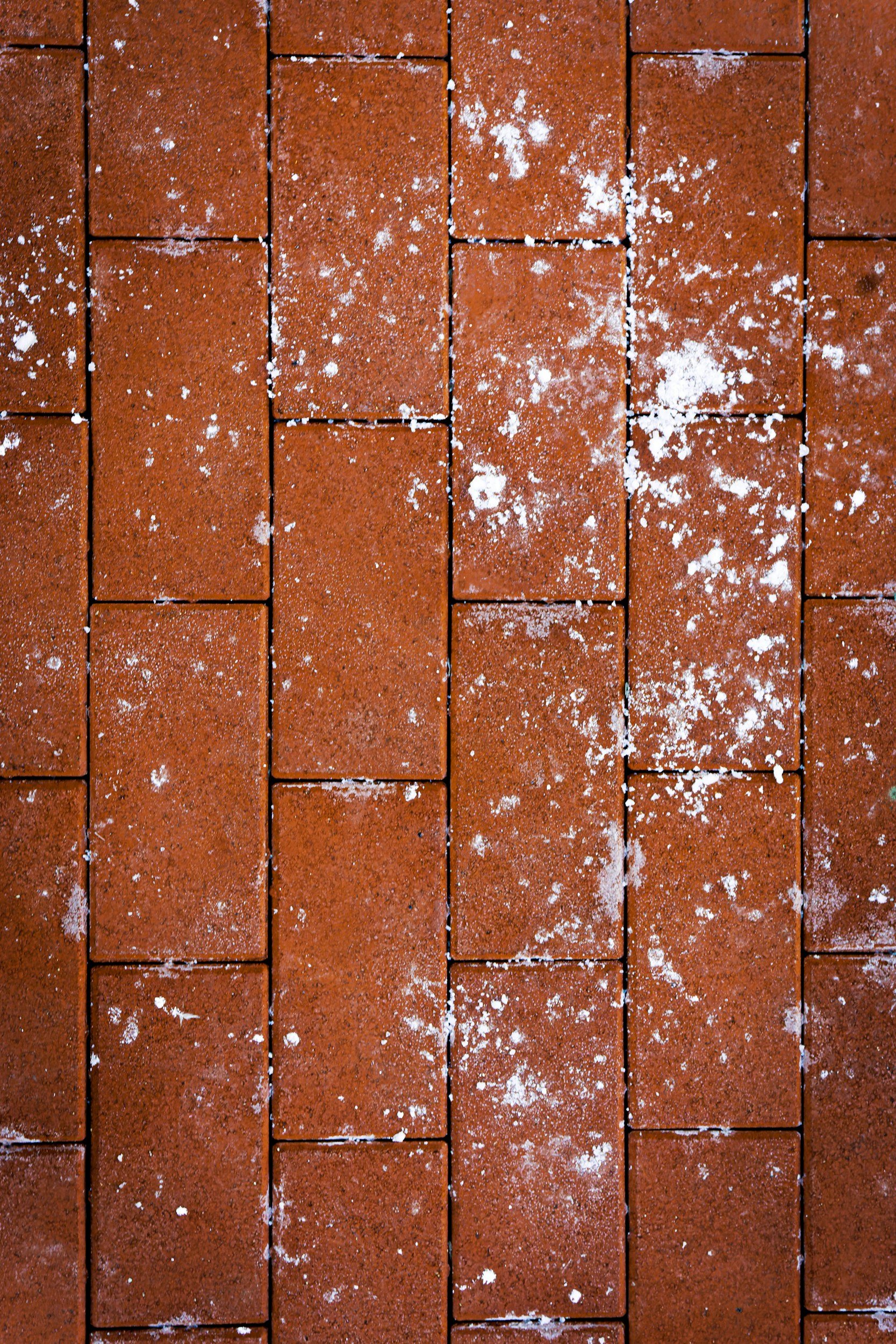
Close-up of brick paver driveway with white salt residue showing winter de-icing damage on hardscape surfaces.
⛔ 4. Skip Salt on Decorative Pavers
Traditional rock salt can damage both plants and hardscapes. For safer de-icing, switch to calcium magnesium acetate or sand — they’re gentler on stone and less harmful to your soil.
If your driveway is sealed, this also helps preserve the color and finish of your pavers.
🧰 5. Hire Professionals Who Know Lawn Protection
Not all snow removal crews take landscaping into account. JGM Landscaping offers services that protect your property year-round — using proper plowing angles, safe equipment, and careful attention to your lawn and hardscape layout.
⛅ Final Thoughts
Protecting your lawn and pavers during winter isn’t about avoiding damage— it’s about saving time and money when spring arrives. With the right tools, materials, and professional help, you can enjoy a clean, damage-free property all season long.
📍 JGM Serving Areas
Wheeling - Northbrook - Palatine - Buffalo Grove - Arlington Heights - Mundelein - Evanston - and surrounding Chicagoland suburbs