
Welcome to JGM’s BLOG !

How to Prepare Your Lawn & Landscaping for an Illinois Winter (Save Money & Prevent Damage) ❄️
Prepare your lawn and landscaping for an Illinois winter. Prevent snow, mold, salt damage, drainage issues, and costly spring repairs with JGM Landscaping.
Illinois winters are no joke. Between freezing temperatures, heavy snowfalls, ice storms, and long stretches of cloudy weather, your lawn and landscaping take on months of stress. Homeowners in the Chicagoland and Northwest Suburbs often don’t realize how much winter actually affects their property until spring rolls around and they’re facing dead patches of grass, damaged shrubs, cracked hardscapes, or flooded areas that could have been prevented.
The good news? Preparing your property now can save you hundreds—sometimes thousands—of dollars in spring repairs. With a little planning, and the help of professionals like JGM Landscaping Inc., your lawn, plants, and hardscapes can come out of winter healthy and ready for a strong spring comeback.
Below are the most important steps every Illinois homeowner should take before winter hits.
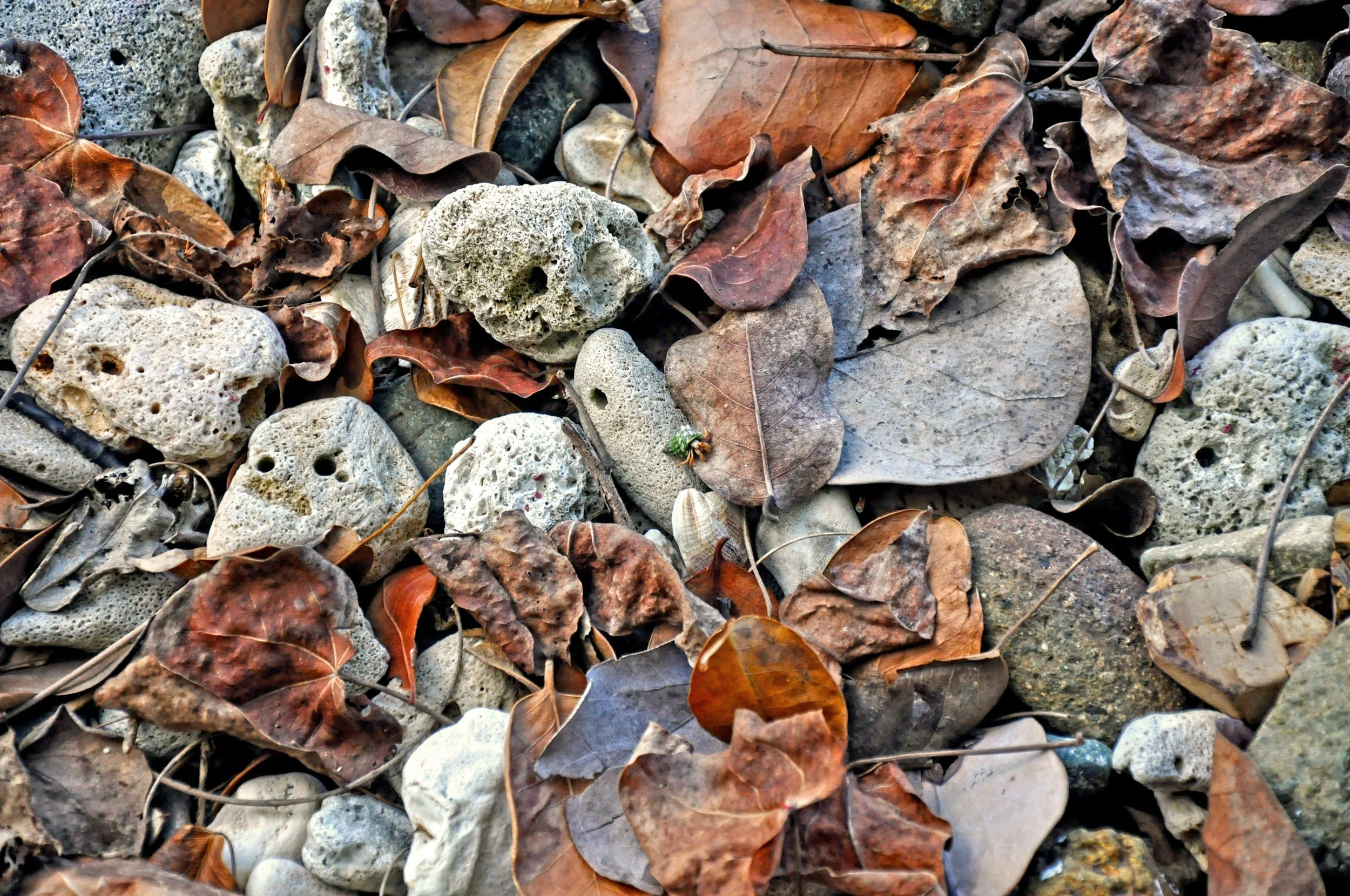
Close-up of fallen autumn leaves mixed with small rocks on the ground, showing debris buildup that should be cleared before winter to prevent lawn damage.
1. Clean Up Leaves & Debris Before the First Snow Fall 🧹
One of the biggest mistakes homeowners make is leaving piles of leaves on the lawn all winter. While it seems harmless, those wet, compacted layers create the perfect habitat for:
• Snow mold
• Harmful fungi
• Rodents and insects
• Grass suffocation
• Patchy bare spots in spring
When snow falls on top of a layer of wet leaves, the moisture gets trapped and sits on your lawn for months. That’s why homeowners who skip fall cleanups often end up needing expensive spring lawn repair, overseeding, or even full restorations.
Hiring JGM Landscaping Inc. for a fall cleanup ensures your lawn is cleared, aerated, and prepped properly before freezing temperatures arrive.
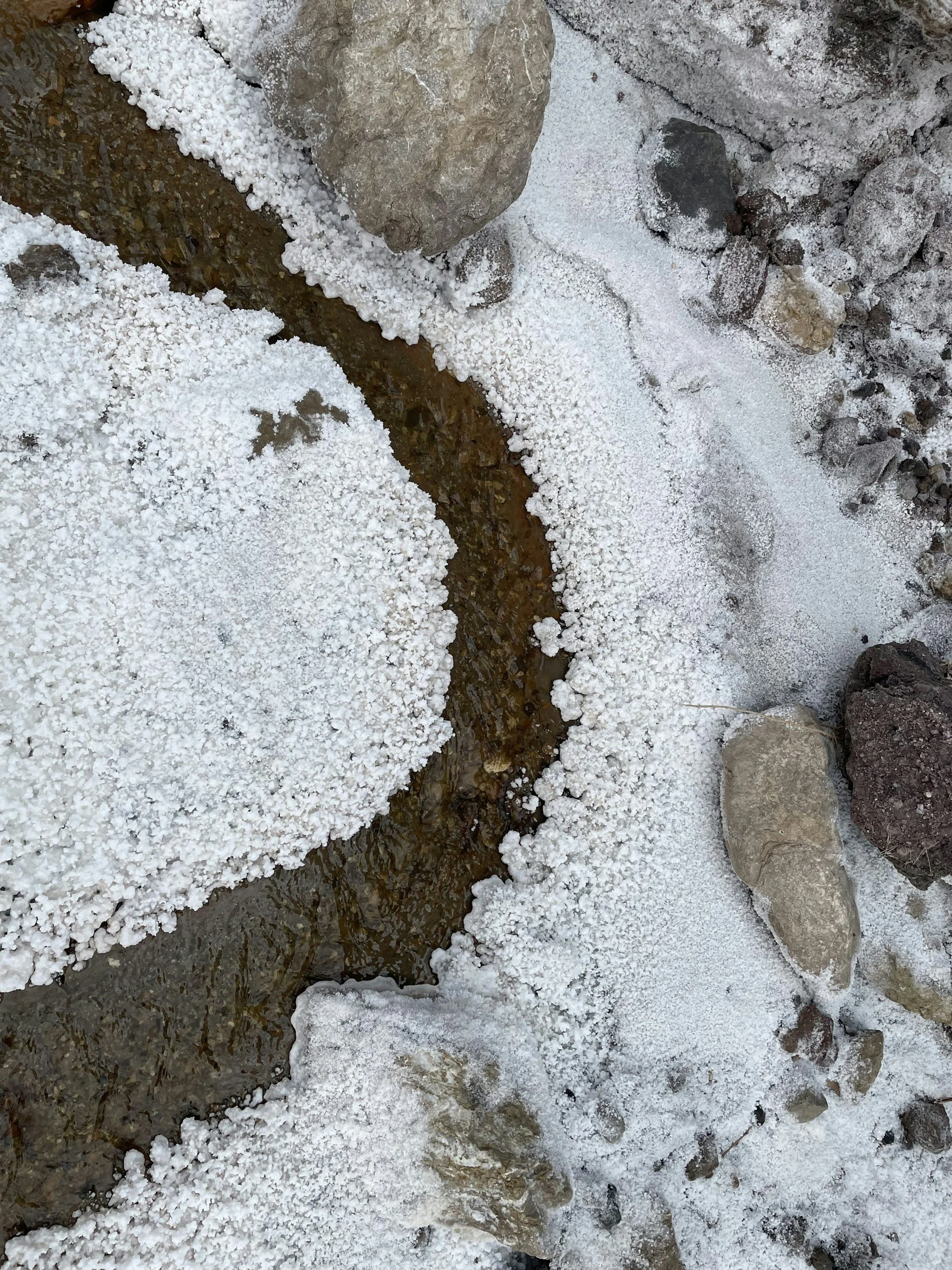
Close-up of salt buildup on the edge of a lawn and pavement, showing how de-icing salt can damage grass during Illinois winters.
2. Protect Your Lawn from Salt Damage
Salt damage is extremely common in Illinois because of the heavy use of de-icers on sidewalks, driveways, and roadways. Salt can cause your grass to:
• Turn yellow or brown
• Die off near pavement edges
• Struggle to grow back in spring
To prevent this, you can:
• Put down burlap or plastic barriers near sidewalks
• Use pet-safe ice melt
• Rinse salt-exposed areas during warm stretches
• Add gypsum in spring to repair salt-affected soil
If you use professional plowing or de-icing services through JGM Landscaping Inc., ask them about eco-friendly or lawn-safe products that minimize long-term damage.
3. Cut Your Grass Shorter for the Final Mow 🌱
Your final mowing before winter plays a HUGE role in preventing snow mold and fungal growth.
Ideal final mowing height: 👉 2 to 2.5 inches
Cutting your lawn slightly shorter keeps it from matting down under heavy snow. It also reduces moisture retention, which is what fungal issues thrive on. Many homeowners skip this step or cut the lawn too short too early, which can stress the grass. JGM can handle the final mow as part of your winter preparation service, ensuring your lawn enters dormancy healthy and protected.
4. Schedule Dormant Pruning for Trees & Shrubs 🌳
Winter is actually the BEST time of year to prune many trees and shrubs because:
• They’re dormant (less stress on the plant)
• Disease spread is minimized
• Structural issues are easier to see
• Spring growth becomes fuller and healthier
Dormant pruning also prevents branches from breaking under heavy snow or ice — a common cause of property damage in Chicago suburbs. Homeowners often don’t know which plants need dormant pruning, but the experts at JGM Landscaping Inc. can evaluate your property and prune safely and correctly.
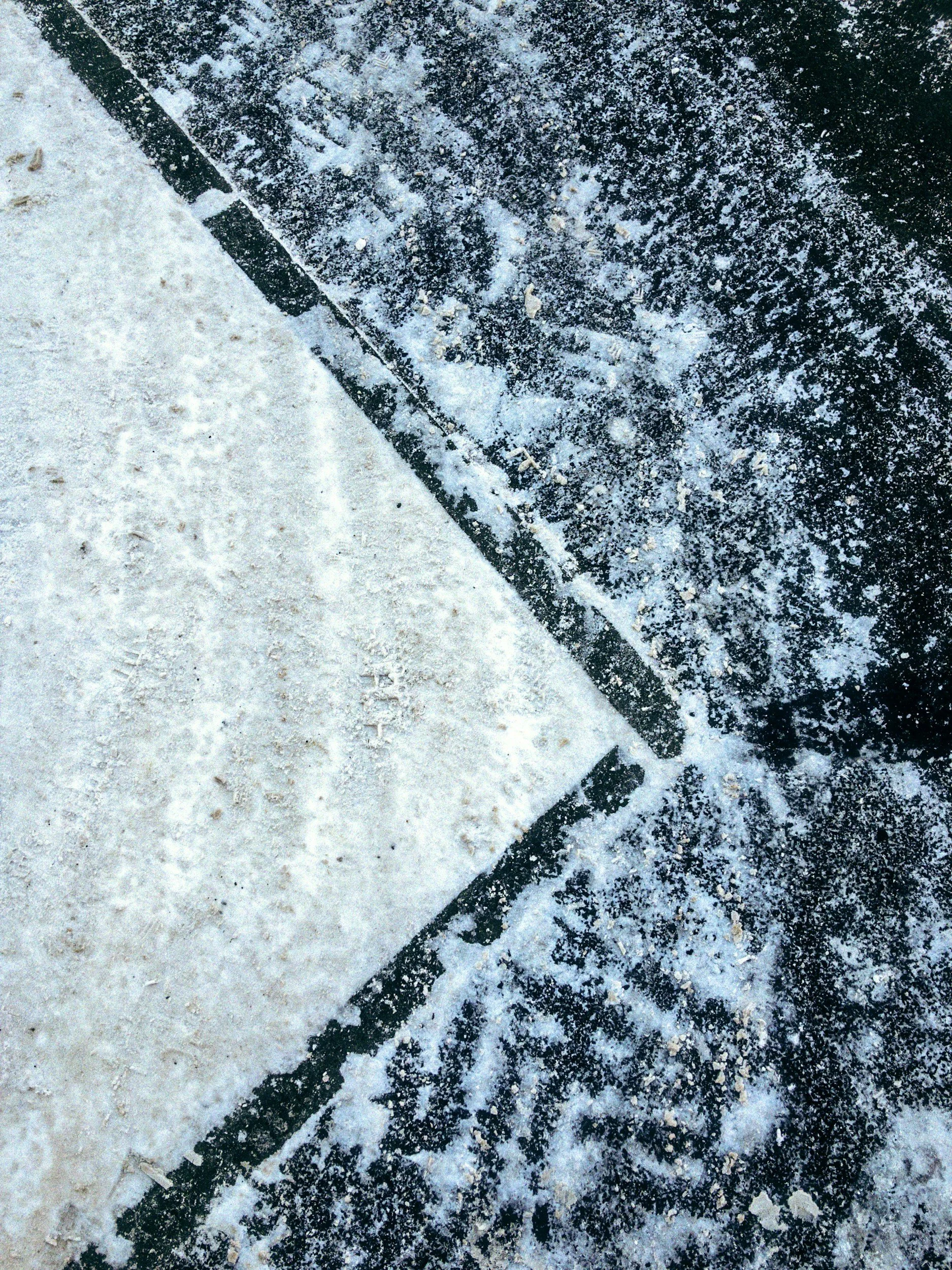
Close-up of icy paver stones showing cracks and separation caused by the winter freeze-thaw cycle, highlighting the importance of protecting hardscapes.
5. Protect Your Hardscapes: Patios, Pavers, & Walkways 🧱
Hardscapes are just as vulnerable to Illinois winters as lawns. The freeze–thaw cycle causes expansion and contraction, leading to:
• Shifting pavers
• Cracks in concrete
• Loose stones
• Water pooling in spring
Before winter, you should:
• Seal paver patios
• Repair any lifted or sunken stones
• Clean debris from joints
• Make sure water drains properly
It’s also important to shovel snow the right way. Avoid metal shovels or sharp tools on pavers — they cause scratches and cracks. If you’re unsure how to maintain your hardscape, JGM can help inspect, repair, and protect your outdoor surfaces.
6. Address Draining Problems Before the Ground Freezes 🚾
Drainage issues won’t fix themselves over winter — they get worse. Standing water becomes a thick layer of ice, causing:
• Slip hazards
• Damage to lawns
• Damage to walkways or foundations
• Mosquito breeding in early spring
If you notice:
• Water pooling
• Muddy or soggy patches
• Runoff toward the house
• Flooding near patios or driveways
…this is the perfect time to fix it. JGM Landscaping specializes in drainage solutions like French drains, grading, dry wells, and downspout rerouting. Fixing drainage before the freeze prevents far bigger problems later.
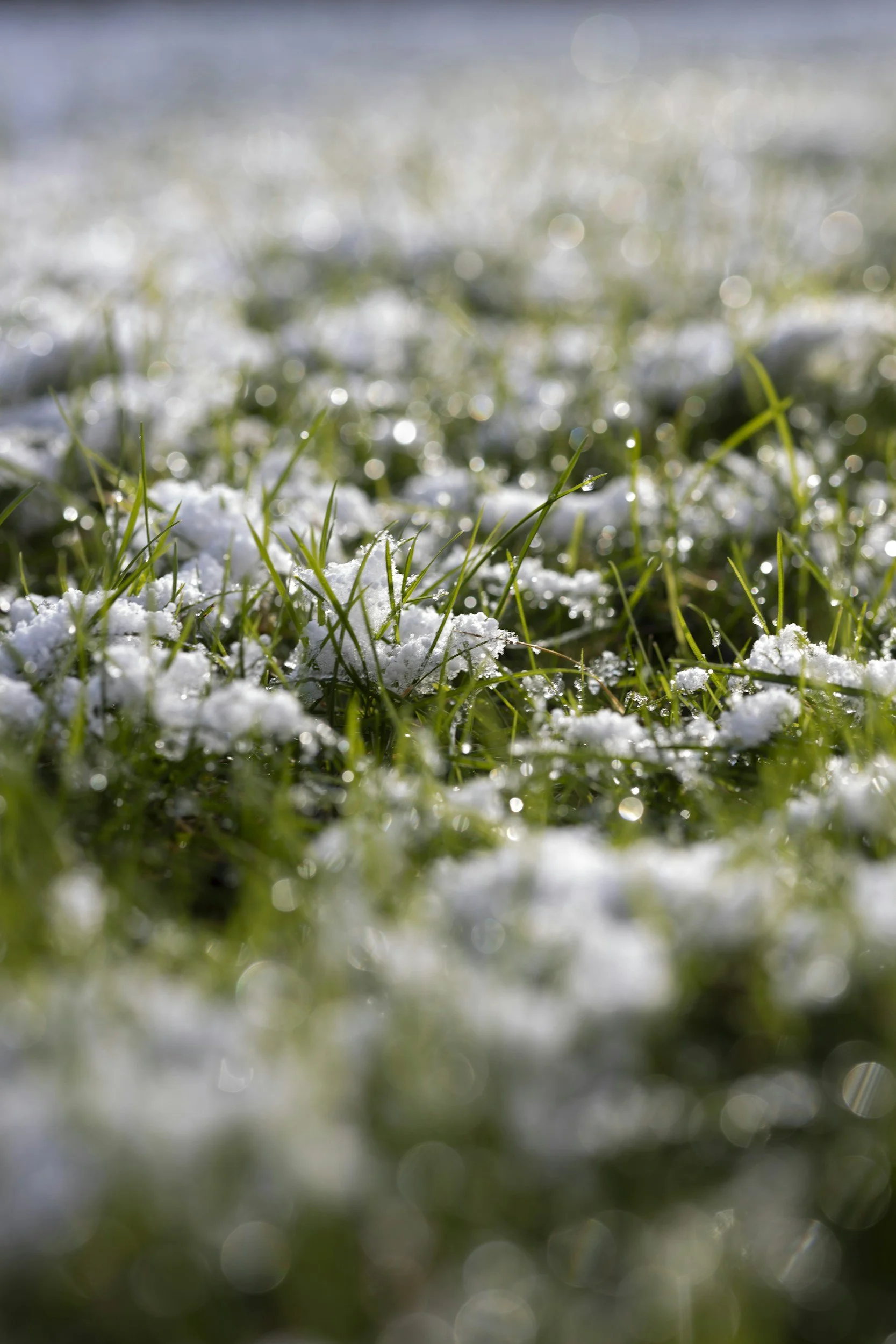
Close-up of grass with light snow and frost on top, showing how winter conditions can stress lawns in Illinois.
Conclusion
Winter can be harsh on your landscape — but the damage it causes is completely preventable withe the right preparation. Take care of the proper problems now so you can enjoy a healthier, cleaner, and hassle-free landscape when everything thaws.

How Regular Lawn Aeration Helps Your Grass Grow Thicker and Healthier 🌱
JGM Landscaping lawn aeration services in the Chicagoland area. Image showcasing lawn aeration.

Lawn aeration process showing fresh soil plugs and healthy green grass after aerating a yard in Chicagoland.
If your lawn feels hard, looks dull, or struggles to grow despite watering and fertilizing — it might be time for aeration.
At JGM Landscaping, we help homeowners across the Chicagoland area restore their lawns by giving the roots room to breathe and thrive.
🔥 What Is Lawn Aeration?
Lawn aeration is the process of removing small plugs of soil throughout your yard to loosen compacted ground.
This allows air, water, and nutrients to penetrate deep into the soil — reaching the grass roots where it matters most.
Think of it like opening up the soil so your lawn can finally “breathe” again.
⚠️ Signs Your Lawn Needs Aeration
If you notice any of the following, your soil may be compacted:
• Water pooling or running off instead of soaking in
• Grass that feels spongy or patchy
• Thin or discolored areas
• Soil that feels hard when you push a screwdriver into it
Compacted soil prevents roots from growing properly, making it harder for your grass to stay green and full.
🍀 Benefits of Aerating Your Lawn
Here’s why lawn aeration is one of the most powerful (yet underrated) services you can do for your yard:
• Promotes stronger, deeper root growth
• Improves water absorption and nutrient intake
• Reduces thatch buildup and puddling
• Makes your lawn thicker, greener, and more resistant to heat and drought
• Enhances results from fertilizing and overseeding
After aeration, you’ll see noticeable improvement in color, density, and overall lawn health — usually within just a few weeks.
📅 Best Time for Aeration in Illinois
The best seasons for lawn aeration in the Northwest Suburbs of Chicago are early spring (April–May) and early fall (September–October) and even November.
These are the times when grass is actively growing, allowing the roots to recover quickly and fill in gaps.
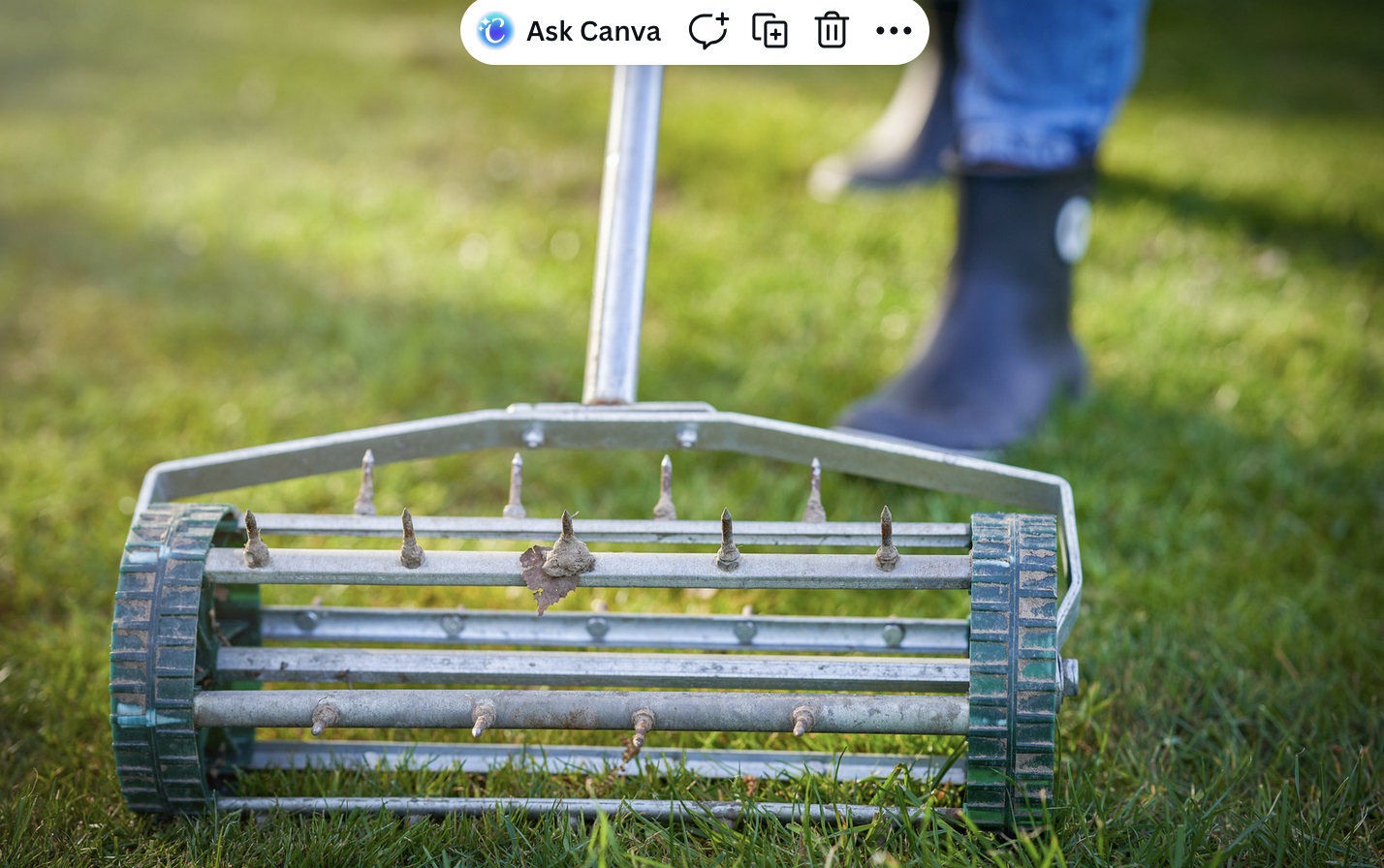
Lawn aeration machine creating small holes in a residential yard to improve grass growth in the Chicagoland area.
💬 Schedule Your Aeration Service with JGM Landscaping
A healthy lawn starts below the surface.
Our team at JGM Landscaping uses professional-grade aeration equipment designed for Chicagoland’s compact clay soil — helping your grass grow thicker, stronger, and greener all season long.
📞 Call or text JGM Landscaping today to schedule your aeration service and bring your lawn back to life!

How to Protect Your Lawn & Pavers from Snow Plow Damage ❄️
By JGM Landscaping & Design— Serving Chicagoland & the Northwest Suburbs
When winter hits in Illinois, snow plowing becomes essential — but it can also leave your yard and driveway looking rough by spring. Scraped pavers, torn-up grass edges, and hidden damage under the snow are common problems. Here’s how to protect your lawn and hardscaping from snow plow damage this season.

Reflective driveway markers placed along a brick paver driveway extension and lawn edge to prevent snow plow damage during winter in Illinois.
🌿 1. Mark Your Driveway and Lawn Edges
Before the first snowfall, install sturdy driveway markers or reflective stakes along the edges of your driveway, walkways, and lawn.
These help snow plow drivers see boundaries clearly — preventing them from pushing heavy snow over your grass or into your landscaping beds.
➡️ Tip: Use tall, flexible markers that won’t snap in the cold.

Orange snow plow clearing snow with a rubber-edge blade to protect brick and stone paver driveways from scratching during winter.
🧱 2. Avoid Metal-Bladed Plows on Pavers
If you have a brick or stone driveway, make sure your snow removal provider uses a rubber or polyurethane blade edge instead of metal.
Metal blades can scratch or chip your pavers, especially when temperatures drop below freezing. JGM Landscaping’s team always uses equipment that’s safe for hardscaping surfaces.
🌧️ 3. Don’t Pile Snow on the Lawn
It’s tempting to push snow off to the side, but piling it high on grass can cause compaction and mold once it melts.
Instead, try to spread snow evenly or direct it to low-traffic corners of your property. This prevents patches of dead or yellow grass in the spring.

Close-up of brick paver driveway with white salt residue showing winter de-icing damage on hardscape surfaces.
⛔ 4. Skip Salt on Decorative Pavers
Traditional rock salt can damage both plants and hardscapes. For safer de-icing, switch to calcium magnesium acetate or sand — they’re gentler on stone and less harmful to your soil.
If your driveway is sealed, this also helps preserve the color and finish of your pavers.
🧰 5. Hire Professionals Who Know Lawn Protection
Not all snow removal crews take landscaping into account. JGM Landscaping offers services that protect your property year-round — using proper plowing angles, safe equipment, and careful attention to your lawn and hardscape layout.
⛅ Final Thoughts
Protecting your lawn and pavers during winter isn’t about avoiding damage— it’s about saving time and money when spring arrives. With the right tools, materials, and professional help, you can enjoy a clean, damage-free property all season long.
📍 JGM Serving Areas
Wheeling - Northbrook - Palatine - Buffalo Grove - Arlington Heights - Mundelein - Evanston - and surrounding Chicagoland suburbs